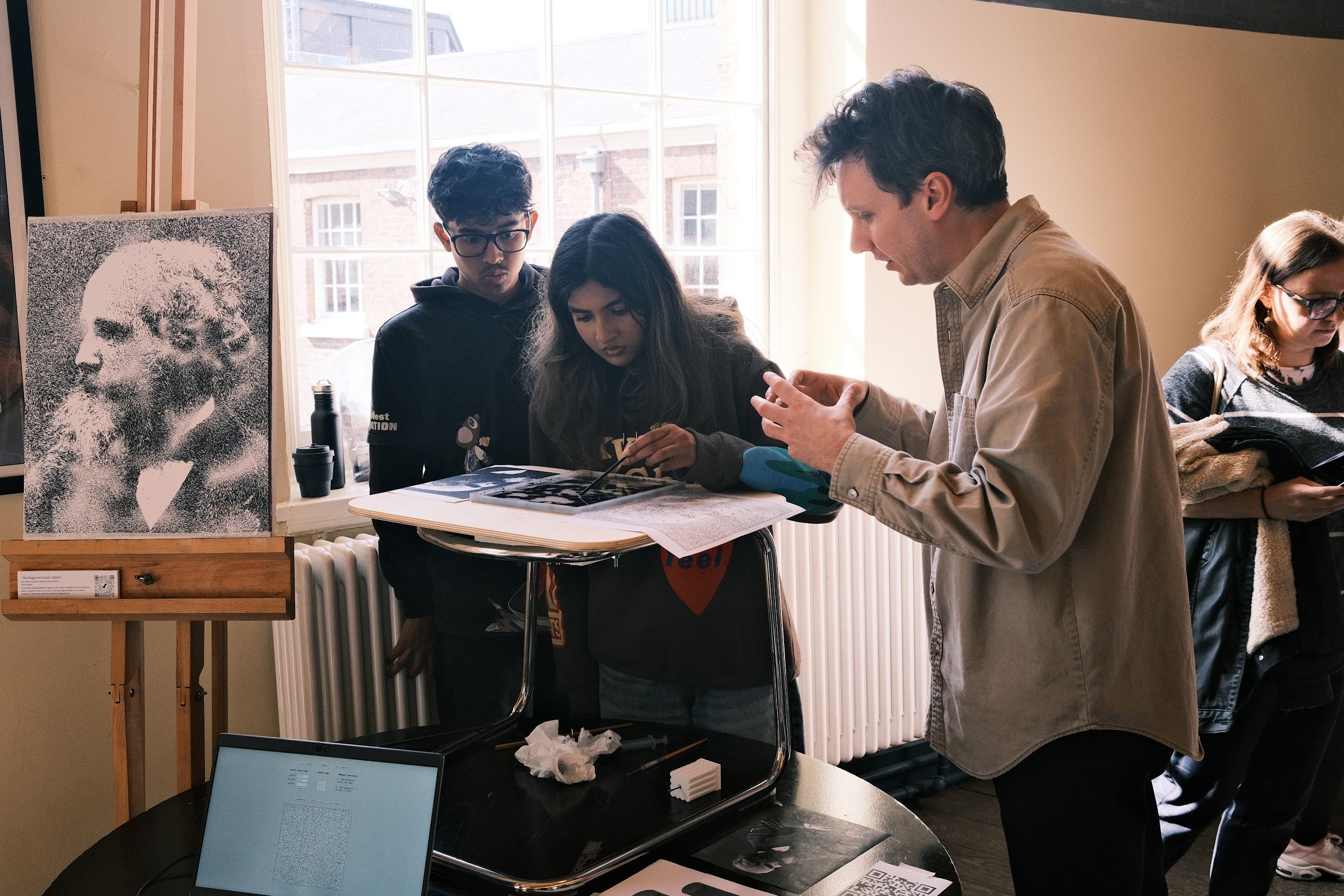
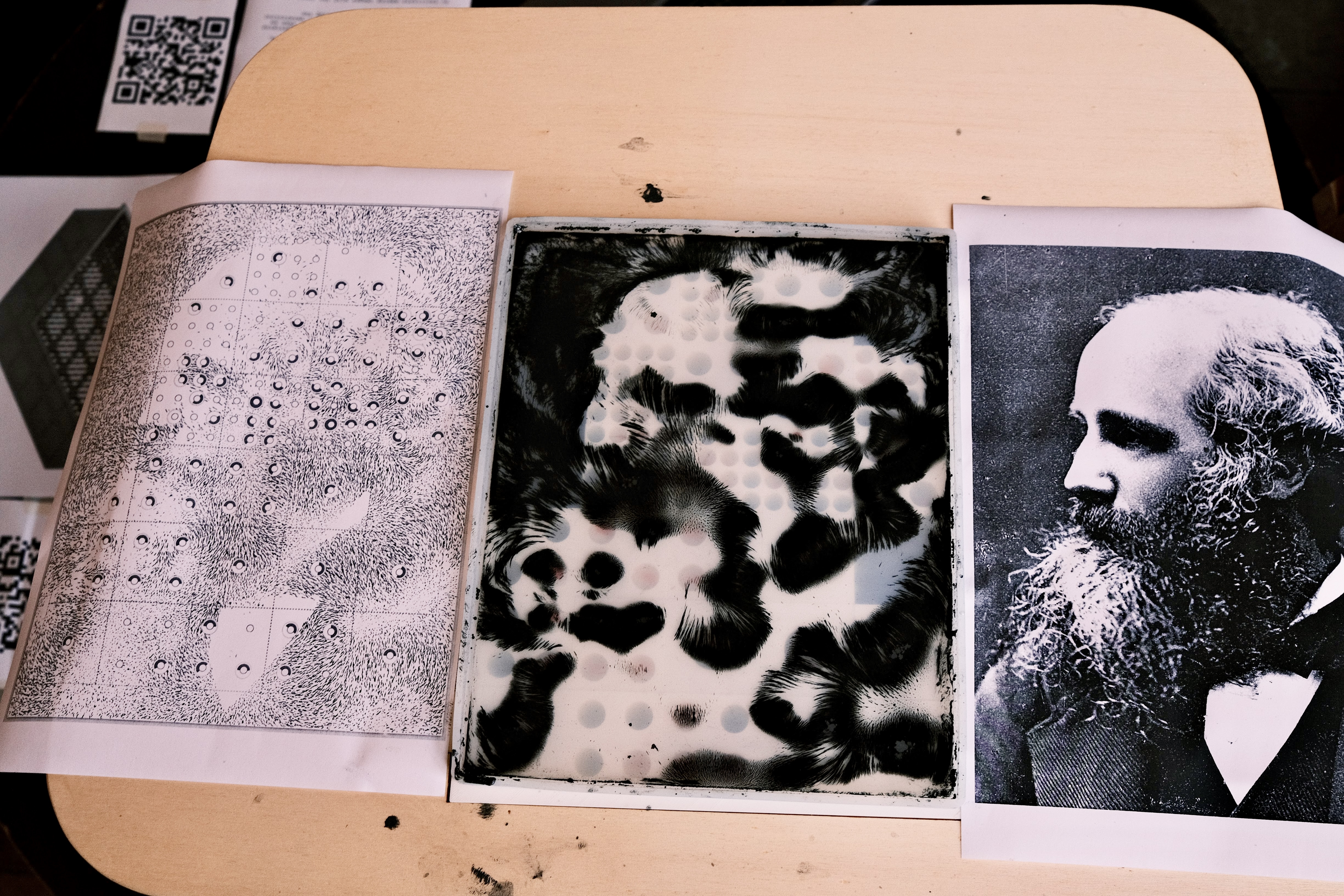
As part of the British Science Festival ‘25, I exhibited some of my PhD work alongside some other Art/Science researchers from Liverpool John Moores University. I showcased the magnetic easel alongside my computer program to model the field in the region above it. The public were able to interact with both aspects, resulting in some great art/science conversations.
I am currently engaged in an art/science practice-based PhD at Liverpool John Moores University. I was originally inspired to create a novel portrait of James Clerk Maxwell, the 19th century Scottish mathematical physicist who gave us (amongst other things) the defining equations of the electromagnetic field. I therefore wanted to use the electromagnetic field as a medium, such that I’d be representing Maxwell using the very thing that he gave us our best representation of. This gave rise to the research question of “what is electromagnetic art?” and “what is an original electromagnetic art practice, suitable for this purpose?”. Since then, I’ve been on an ever-evolving research journey that has vibrated back and forth between theory and practice, between the UK and the US, tackling the inherent tensions contained within this premise of an ’electromagnetic portrait'.
After creating the websites for Liverpool’s Fabric District Arts Festival in 2018 and 2019, I joined the board as a director of Arts and Culture. My main role was to work towards a post-pandemic Arts Festival, as well as consulting with the marketing team on the design of a new CIC website.
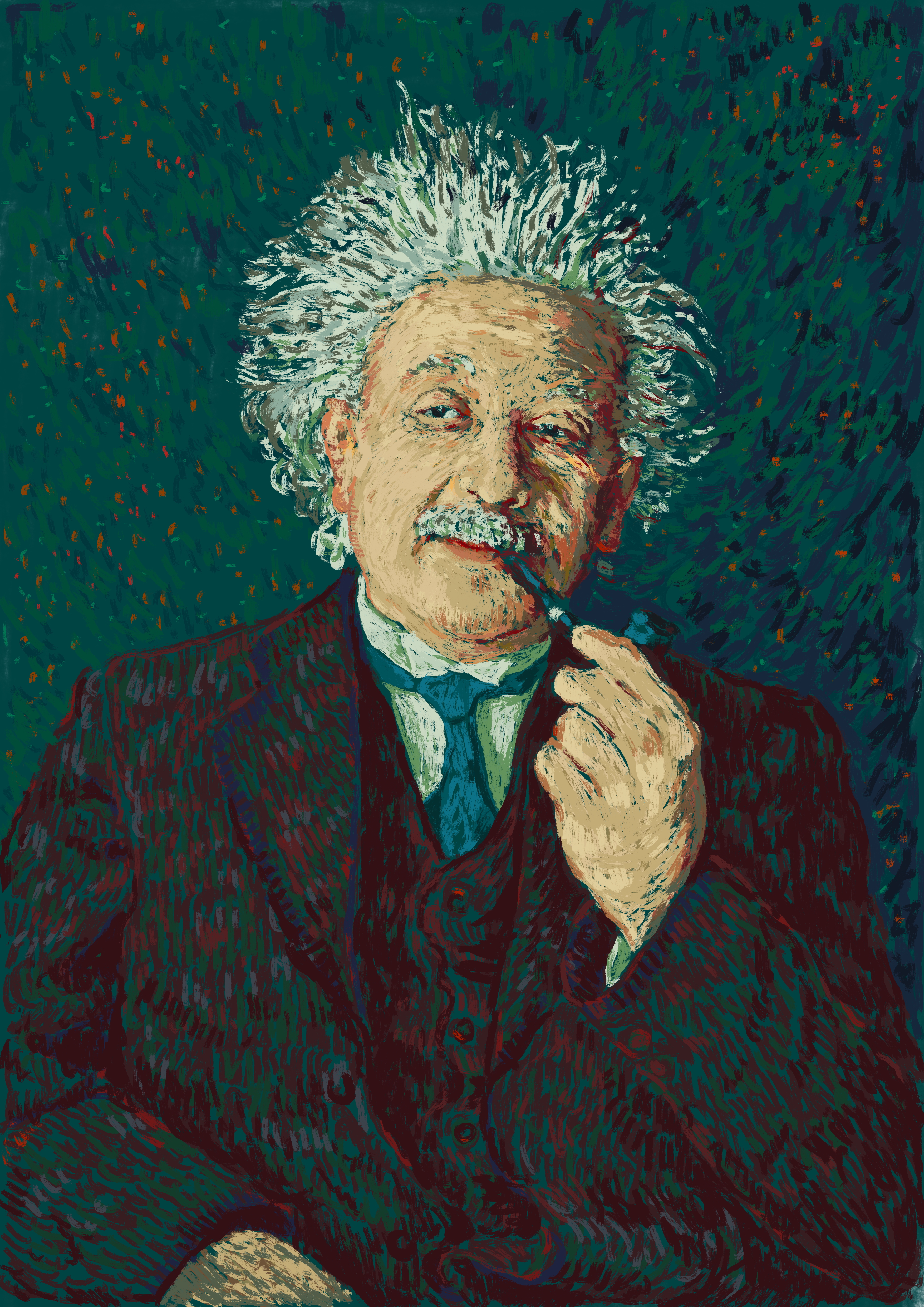
I was selected to run a workshop for a Lates event at London’s Science Museum, themed around ‘Art & Science’. This original piece of public engagement was delivered to 250 participants over the course of the evening. I first gave a presentation on how scientific and technological advancements in the mid-19th century facilitated Impressionists and post-Impressionists to experiment with colour and its effects in groundbreaking ways. After this, the public were invited to colour in pre-prepared outlines of famous physicists depicted in the style of notable artists, using a provided info sheet on The Law of Simultaneous Color Contrast by chemist Michel-Eugène Chevreul (1839)
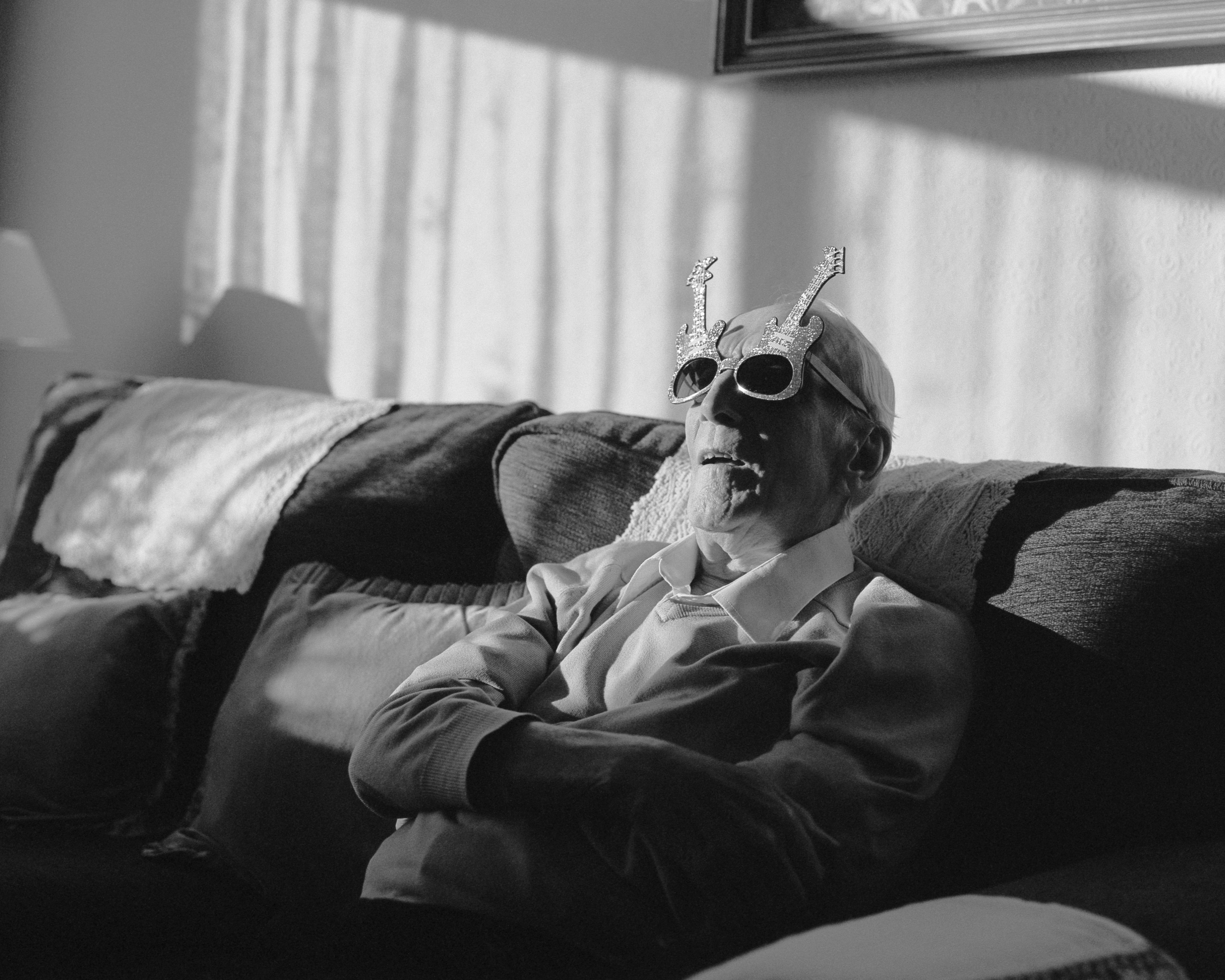
I was selected as ‘Juror’s Choice’ in the inaugural Liverpool City Region Photo Awards. My tryptych of winning photographs depict my late grandad, Ron Hyatt, turning 90 on the 27th October 2017. I feel lucky, now, to have been able to capture him so – still living alone in his bungalow in Rossendale, Lancashire. The photographs depicted a variety of aspects of his old age: his love of listening to music (especially mine and my dad’s); his quiet independence and solitude doing the washing up (which he proudly guarded as ‘his job’ long after my grandma Mary died in 2010); and receiving cards and birthday presents from his loving family.
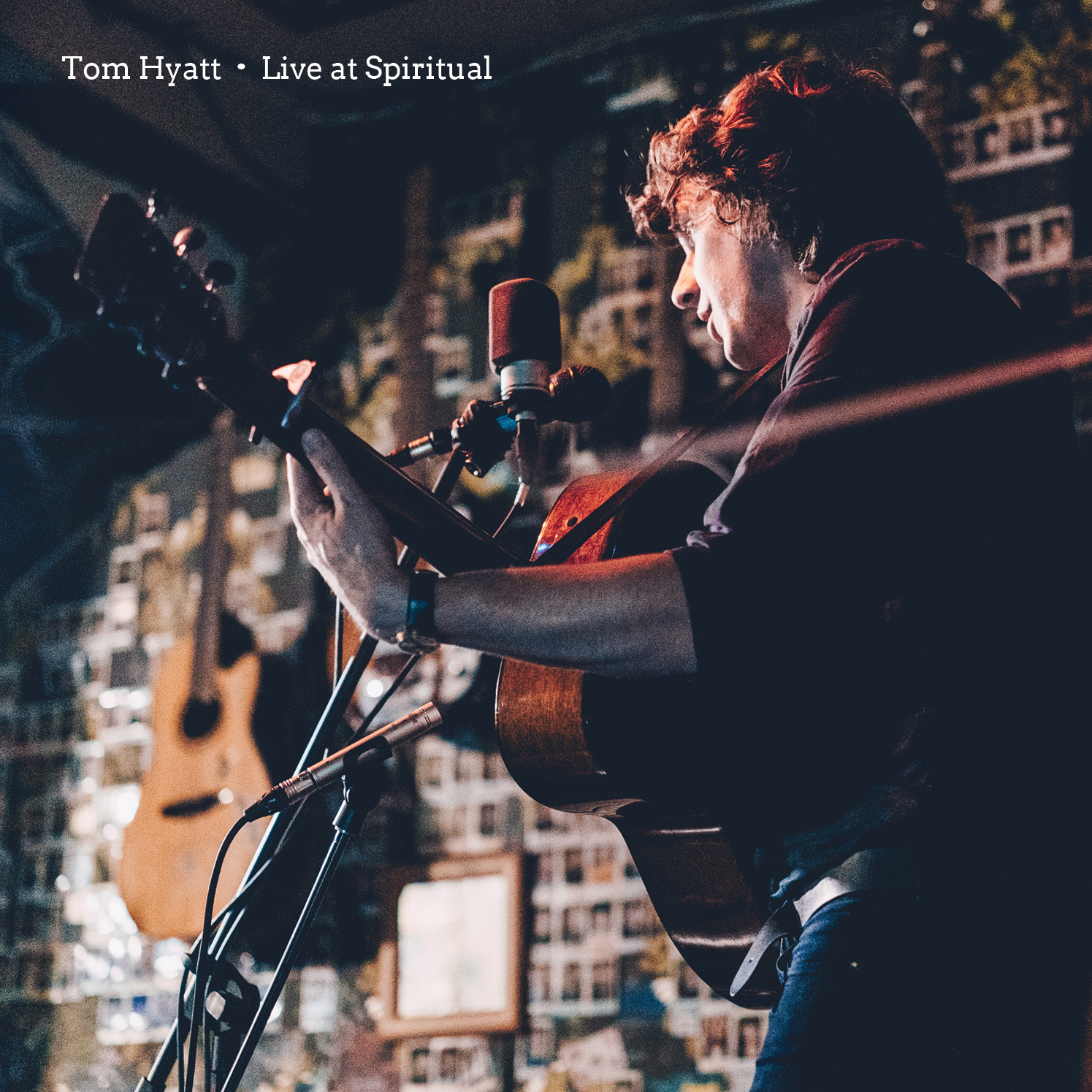
Live at Spiritual was a music release on CD and online. It featured seven original songs, performed live in front of an audience at Spiritual Bar in Camden, London. The performance was also captured on video, creating a ‘record’ in the truest sense of the word. Featuring Tom Lees on piano and Maya McCourt on cello.
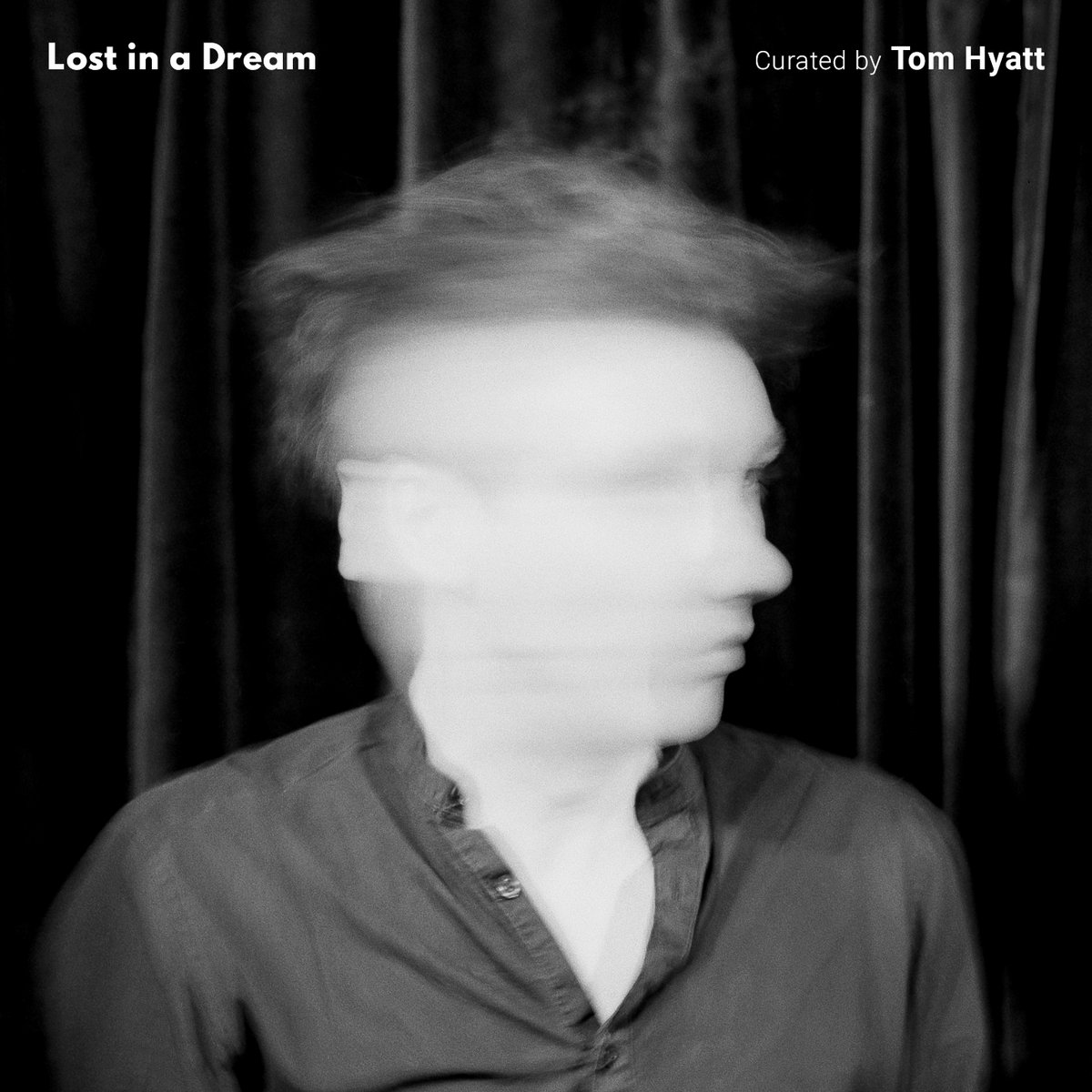
Lost in a Dream was a transdisciplinary arts residency at The Harrison, London, that aimed to capture a music scene and the artists that embodied it. Film portrait photographs printed in the darkroom were allowed to fade during a week-long exhibition, with live shows every night from the artists in the frames. The photographs were published in a book, alongside a live music compilation from the residency.
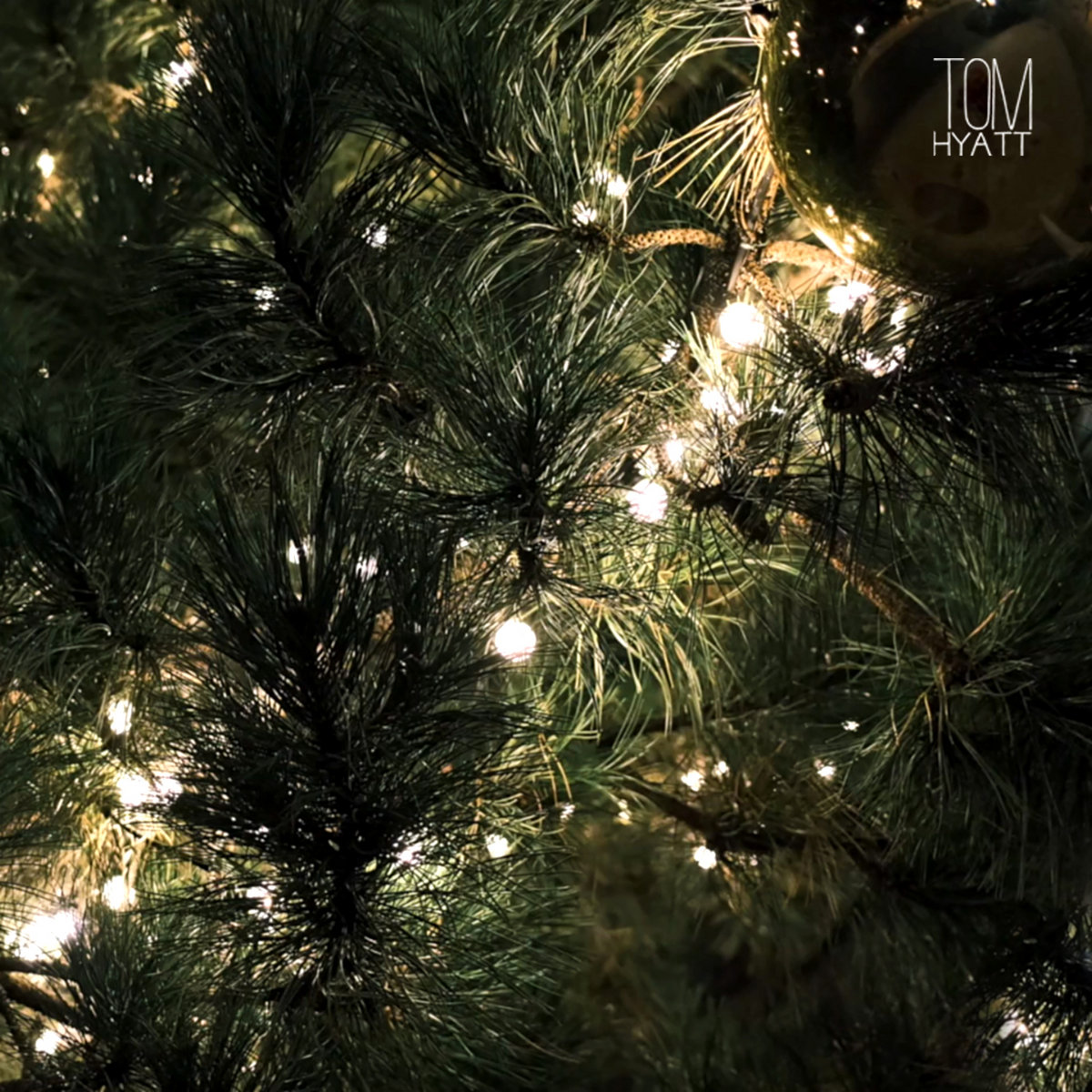
I recorded and released my song, The Night Before New Year’s Day, for the end of 2020. I had written this song some years before in 2014, however the themes of yearning for connection, and hope of renewal, felt all the more poignant at the end of the first pandemic year. To accompany, I shot and edited a music video composed of nighttime scenes of a Liverpool lockdown evening.
As part of my PhD investigating Electromagnetic Art, I participated in a residency at Liverpool’s Tobacco Warehouse, with MA Fine Art students from Liverpool John Moores University. Built to store the Victorian’s appetite for tobacco, the Warehouse was constructed entirely from brick and iron so as to be inflammable. I used it as a subject for a representational watercolour series that developed my novel magnetic painting technique.
The Tropical Medicine Time Machine was a public engagement sci-artwork, co-designed and created with Natasha Niethamer for the 125th anniversary of Liverpool School of Tropical Medicine (LSTM). Three unique Time Machines, each with five accompanying 3D artefacts and videos, encompassed the length and breadth of LSTM’s research and legacy. Ai-wen Evans (a re-animation of LSTM’s first female lecturer Dr Alwen Myfanwy Evans) took the public on a journey through time and space, interviewing fifteen LSTM researchers along the way. The work was shown across Liverpool in schools, in institutions such as the World Museum, and at festivals such as Africa Oyé, reaching an estimated 5,000 people. It was also part of New Scientist Live in London in 2024, and has been shown internationally at the EU One Health conference in Brussels in December 2023.